
Academic Law Writing
PHD Dissertation
Academic Law writing
Writing a Master’s Law Dissertation
UK Legislation of Corporate Crime
Unconscionable Conduct In Financial Services Of Australian Law
Canadian Law Of Racial Profiling
Consumer Protection In Distance Selling
Doctrine Of Self Defence In International Law
Doctrine Of Self Defence In International Law
It is the use of arms to protect oneself or others from an attack or immediate threat of invasion, or to protect a constitutionally recognized interest. In international law, the term “self-defence” refers to a country’s inherent right to use force in the event of an armed assault. Article 2(4) of the UN Charter and international law provide for the use of force in self-defence. Scholars debate whether the armed assault that triggers self-defence should come from another state (rather than an armed group) and whether the attack should actually happen in order to lawfully invoke self-defence[1].

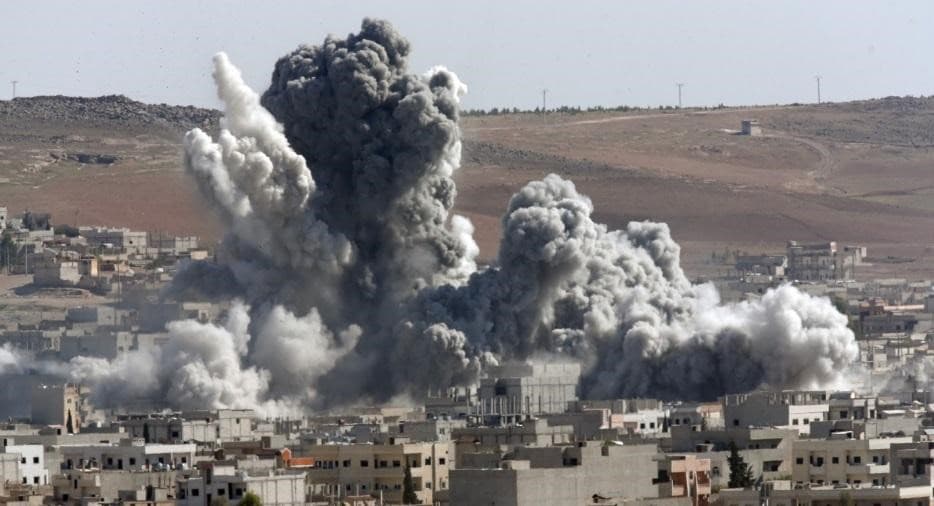
Fig: Doctrine Of Self Defence In International Law
The principle of self-defence as well as the protection of others is often used in criminal law to justify the use of force against an illegal assault when it is required and proportionate. This type of civilian behaviour is not considered overt involvement in hostilities. The right to self-defence allows states to use force legitimately to defend their independence, regional autonomy, and stability without incurring any foreign obligations. However, this privilege can only be exercised in one circumstance: an armed assault. States must also show that pressure has been used in a necessary, proportional, and timely manner, as well as notify the UN Security Council[1].
Reference
[1] https://en.wikipedia.org/wiki/Politics_of_the_European_Union
[1] https://sci-hub.se/10.1177/1465116519842947