
Engineering & Technology
PHD Dissertation
Engineering & Technology
Architecture Robots & 3D Printers
Virtual Realities and Immersive Architecture
Technological Developments For Electrical Vechicles
Drones or Unmanned Aerial Vehicles(UAVs)
Modular Construction and 3D Printed Dwellings
Advances in Gas turbine technology
Water minimization techniques
Waste Minimization is a waste management approach that focuses on reducing the amount and toxicity of hazardous waste generated. In addition to hazardous wastes regulated under The Resource Conservation and Recovery (RCRA), EPA encourages the minimization of all wastes. Waste minimization techniques focus on preventing waste from ever being created, otherwise known as source reduction, and recycling. These techniques can be practiced at several stages in most waste generating processes, but require careful planning, creative problem solving, changes in attitude, sometimes capital investment, a d genuine commitment. EPA is committed to reducing the presence of the most persistent, bio-accumulative, and toxic chemicals in industrial hazardous wastes by 25 percent by the year 2000 and 50 percent by the year 2005. It is also important that these chemicals are not transferred from one environmental media to another.
[Get Assignment help on Waste Minimization Technique]

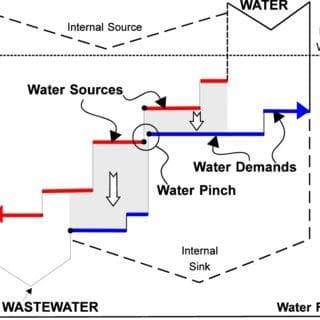
Fig.1. Freshwater and Wastewater Minimization (ResearchGate.com)
All hazardous waste generators should practice waste minimization because it makes good business sense. However, RCRA, as amended by the Hazardous and Solid Waste Amendments of 1984, specifically requires Large Quantity Generators of hazardous waste to certify when they sign their manifests, and they have a program in place to reduce the volume and toxicity of waste generated to the extent economically practical. Small Quantity Generators are required to certify when they sign their manifests, that they have made a good faith effort to reduce the volume and toxicity of the hazardous wastes they generate. Additionally, all large quantity hazardous waste generators must report biennially on waste minimization activities.
Waste minimization is important because it helps protect the environment and it makes good business sense. In fact, businesses can simultaneously manage both business and environmental objectives by focusing on waste minimization.