
Engineering & Technology
PHD Dissertation
Engineering & Technology
Architecture Robots & 3D Printers
Virtual Realities and Immersive Architecture
Technological Developments For Electrical Vechicles
Drones or Unmanned Aerial Vehicles(UAVs)
Modular Construction and 3D Printed Dwellings
Advances in Gas turbine technology
Advanced Combustion Modes
New combustion modes for compression ignition engines are currently under investigation to achieve a further reduction of noxious emissions and fuel consumption. Among them, partially premixed (PPC or PCCI) and dual fuel combustion (including RCCI) seem to be the most promising technologies. To support the design of new combustion systems, rapid and accurate models are required to correctly describe the fuel auto-ignition chemistry together with the complex structure of the diffusion flame due to the presence of different fuel jets. A combustion model based on tabulated kinetics was developed and presented in this work.
Reaction rates and chemical composition are stored in a lookup table which is generated by processing results of auto-ignition calculations in a homogeneous reactor. Multi-component fuels are supported and the use of virtual species allows an easy integration with the Lagrangian spray model. Compared to approaches where chemical direct integration is employed, tabulated kinetics offers reduced computational time with a very similar level of accuracy such that it is suitable to be applied for engine design.[ Combustion Mode Essay Writing Title ideas help]

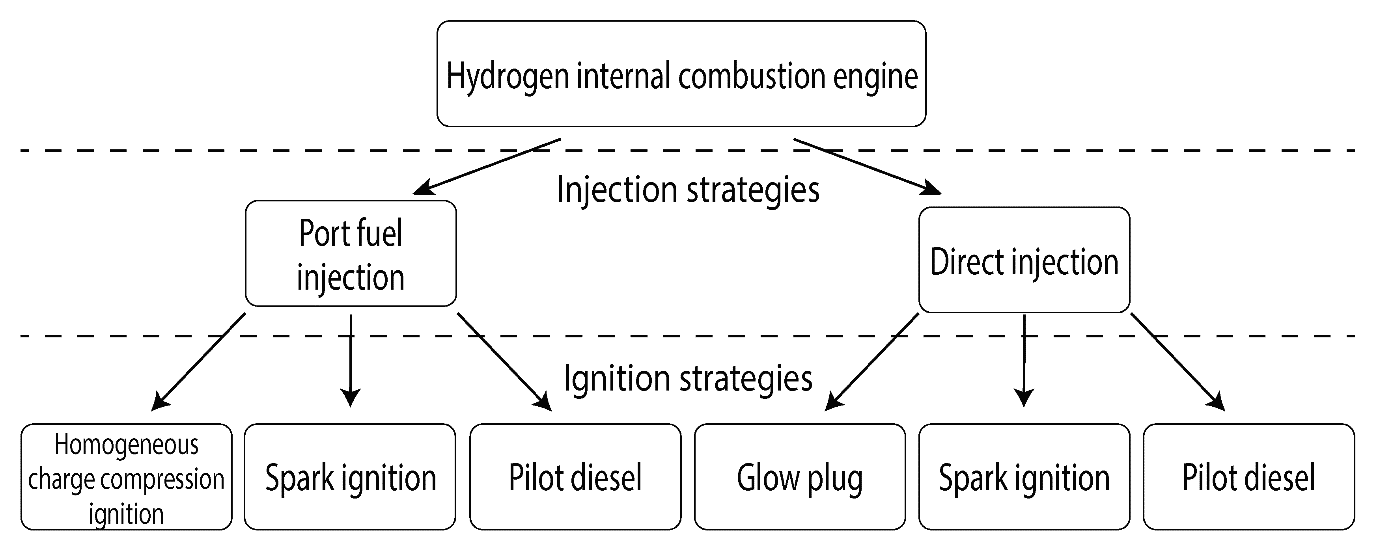
Fig.1. A Review of Hydrogen Direct Injection for Internal Combustion Engines (MDPI.com)
The proposed approach was implemented in the Lib-ICE code which is based on the OpenFOAM technology. Validation was carried out considering conventional Diesel, PCCI and dual-fuel combustion. Satisfactory results were achieved, the proposed approach correctly predicted in-cylinder pressure development and pollutant formation in a wide range of operating conditions. The results also show that the model is consistent with energy conservation and can be applied in design phases of different engine configurations.
The advanced combustion systems and fuels subprogram supports a number of unique user facilities at the national laboratories. In addition to the national laboratories, research and development is done in collaboration with industry, other federal agencies (such as the National Science Foundation) and universities, as well as through government/industry partnerships:
Reference:
https://www.sciencedirect.com/science/article/pii/S0306261919307081#:~:text=New%2
0combustion%20modes%20for%20compression,be%20the%20most%20promising%20technologies.