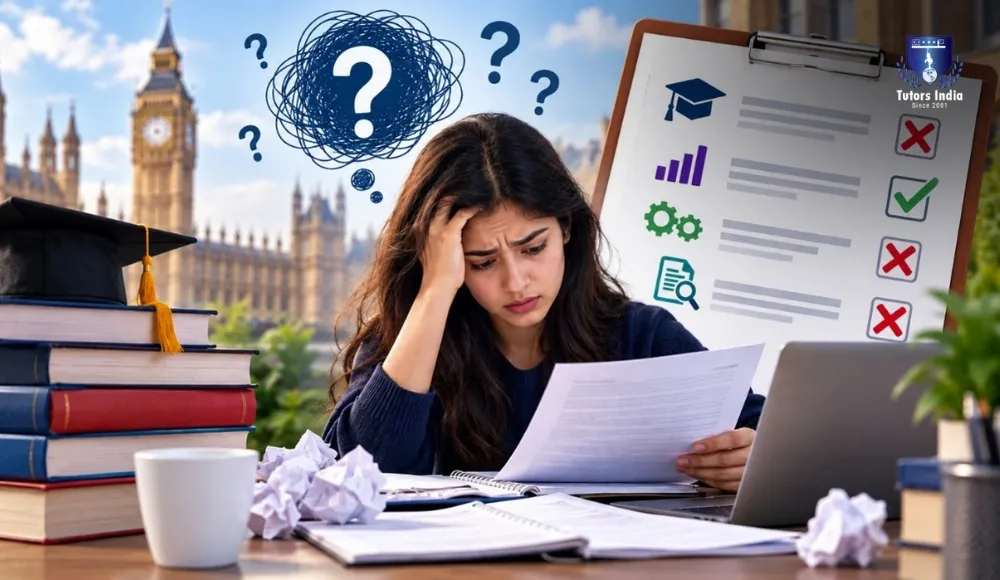

The plagiarism of college assignment papers is one of the biggest academic problems today for most college students. Many students unintentionally copy material from other sources without giving due credit due to the easy availability of online material while working on assignment writing tasks. Academic institutions are very strict about punishing students caught plagiarizing because it violates the ethical principles of good scholarship and ultimately diminishes the learning experience of students. Producing an assignment that is free of plagiarism is not very difficult when students understand proper research, writing, and referencing methods related to how to write an assignment effectively.[1]
To address common concerns of college students regarding plagiarism, this paper will provide an overview of plagiarism, common areas of concern, and suggestions for producing original, plagiarism-free college assignment work.
Plagiarism is defined as claiming another person’s ideas, thoughts, or written work as your own, without giving that author credit for their ideas or work. There are two types of Plagiarism, whether intentionally or unintentionally committing plagiarism, it is still wrong to do so.[2]
Plagiarism can take four forms, including:
Direct Plagiarism (i.e., copy/pasting directly from a source without giving credit)
Self-Plagiarism (i.e., using your work again without permission)
Mosaic Plagiarism (i.e., mixing different authors’ words ideas with your own)
Accidental Plagiarism (i.e., not properly paraphrasing crediting a source or omitting a source altogether)
By understanding these types, students can improve how can I write an assignment in an original and ethical way.
There are many issues that students deal with when trying to stay away from instances of plagiarism. [3]
Fear of accidentally plagiarizing
Hard time finding a different way to say the same thing when it comes to very technical content
Unsure about how to cite sources in different formats
Limited comfort level when writing in English
Time constraints leading to copying sources
Concern
Reason
Unintentional plagiarism
Poor understanding of referencing
Paraphrasing difficulty
Limited vocabulary
Citation confusion
Multiple referencing styles
Fear of plagiarism reports
Strict academic rules
These concerns highlight the need for proper guidance and practice.
Students can avoid plagiarism by following simple strategies while learning how to write an assignment correctly: [2]
Understand the topic clearly before starting research
Take notes in your own words while reading sources
Paraphrase properly instead of changing a few words
Use quotation marks for direct quotes
Plan the assignment early to avoid last-minute copying
Paraphrasing Example
Original: Plagiarism affects academic integrity.
Paraphrased: Academic honesty is compromised when plagiarism occurs.
Writing in one’s own style is the strongest defence against plagiarism.
Citing sources correctly is essential in maintaining academic integrity in any college assignment. Each academic institution follows specific referencing styles as part of the required assignment format.[4]

Correct referencing is an expression of academic integrity and will help to protect the author against any claim for plagiarism.
Plagiarism detection tools help students check originality before submission.
Popular Tools
Turnitin
Grammarly
Copy scape
Quetext
These tools highlight copied content and help students revise their work. However, they should be used as support tools, not as an excuse to copy and edit.
An essential component of academic success is being able to write a college assignment without plagiarism. By understanding plagiarism, following correct assignment format, and applying effective research and referencing practices, students, including those asking how to write an assignment or how can I write an assignment, can produce original work confidently. Planning, practice, and ethical writing habits will improve academic performance and develop strong critical thinking skills essential for future careers.
How to write an assignment without plagiarism: addressing common student concerns. [Talk to a Dissertation Expert | Book a Free 15-Minute Consultation]
Kumar, P. M., Priya, N. S., Musalaiah, S., & Nagasree, M. (2014). Knowing and avoiding plagiarism during scientific writing. Annals of medical and health sciences research, 4(Suppl 3), S193–S198. https://doi.org/10.4103/2141-9248.141957
Dhammi, I. K., & Ul Haq, R. (2016). What is plagiarism and how to avoid it?. Indian journal of orthopaedics, 50(6), 581–583. https://doi.org/10.4103/0019-5413.193485
Clarke, O., Chan, W. Y. D., Bukuru, S., Logan, J., & Wong, R. (2023). Assessing knowledge of and attitudes towards plagiarism and ability to recognize plagiaristic writing among university students in Rwanda. Higher education, 85(2), 247–263. https://doi.org/10.1007/s10734-022-00830-y
Creating an NIH Biosketch. (2018, October 23). Northwestern.edu. https://libguides.galter.northwestern.edu/c.php?g=885651&p=8454893