
Research Proposal
A research proposal is a formal document that outlines the plan, purpose, and methodology of a proposed research study. It explains what the researcher intends to investigate, why the study is important, and how the research will be conducted.[1]
1. Introduction to Research Proposals
A research proposal is a structured document that outlines the plan for a proposed study and explains how to make a research proposal in a clear and systematic manner. It serves as a roadmap for conducting research and explains what the researcher intends to investigate, why the study is important, and how it will be carried out. Understanding how to do a research proposal is essential in academic institutions, funding applications, and professional research projects. A well-written research proposal demonstrates the feasibility, relevance, and originality of a study while convincing readers that the research is worth pursuing, as seen in a well-prepared sample research proposal or research proposal example. [1]
2. Background and Context of the Study
The background of the study provides the context in which the research problem exists and is commonly illustrated in a research proposal sample PDF. It introduces the broader field of study and highlights existing knowledge, trends, and developments related to the topic. This section helps readers understand the circumstances that led to the identification of the research problem. [2]
By discussing key concepts, previous findings, and real-world situations, the background establishes the foundation for the research. It also shows that the researcher is familiar with the subject area and understands the gaps or issues that require further investigation, which is a key feature of a strong research proposal example.
3. Statement of the Research Problem
The problem statement clearly defines the specific issue that the research aims to address. It identifies what is missing, unclear, or problematic in the existing body of knowledge or in real-life practice, which is central when learning how to draft a research proposal. A strong problem statement is concise, focused, and researchable.
This section explains why the problem is significant and who is affected by it. It also justifies the need for the study by showing the consequences of not addressing the problem. The problem statement serves as the core of the research proposal, guiding all other sections.[3]
4. Research Aim and Objectives
The research aim describes the overall purpose of the study and is a key component of how to write a research project proposal. It is a broad statement that explains what the research seeks to achieve. In contrast, research objectives are specific, measurable steps that help accomplish the research aim. [4]
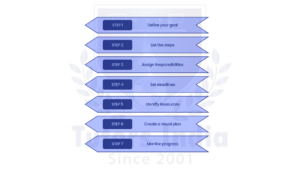
Objectives are usually written as bullet points and begin with action verbs such as “to examine,” “to analyse,” or “to evaluate.” Clearly defined aims and objectives help maintain focus and ensure that the research remains aligned with its intended goals, as demonstrated in a well-structured sample research proposal
5. Research Questions
Research questions translate the research objectives into specific inquiries that the study seeks to answer. These questions guide the data collection and analysis process and are a core feature of understanding how to do a research proposal. Well-formulated research questions are clear, concise, and directly related to the problem statement.
They should be neither too broad nor too narrow and must be achievable within the available time and resources. In some studies, hypotheses may also be included, particularly in quantitative research.[5]
6. Review of Related Literature
The literature review examines existing research related to the proposed study. It involves critically analysing books, journal articles, reports, and other scholarly sources to identify patterns, debates, and gaps in the literature, often illustrated through a research project report example.[6]
This section demonstrates the researcher’s understanding of the topic and shows how the proposed study fits within the existing body of knowledge. A good literature review does not merely summarize sources but compares different viewpoints, highlighting areas that require further research.
7. Research Methodology
The research methodology explains how the study will be conducted and is essential when learning how to draft a research proposal. It includes the research design, approach (qualitative, quantitative, or mixed methods), data collection techniques, and data analysis methods.[7]
This section also describes the target population, sampling techniques, research instruments, and ethical considerations. A clear methodology ensures that the research is systematic, reliable, and valid, as demonstrated in a strong research proposal example.
8. Significance of the Study
The significance of the study outlines the potential contributions of the research. It explains how the findings may benefit academics, practitioners, policymakers, or society at large and is a critical element of how to write a research project proposal.
This section highlights the theoretical and practical value of the research and explains why the study is important. Clearly stating the significance helps justify the time, effort, and resources invested in the research.
9. Research Timeline
The research timeline presents a schedule of activities for completing the study. It outlines key stages such as proposal approval, data collection, analysis, and report writing, like timelines included in a sample research proposal.
A timeline demonstrates that the research is well planned and achievable within a specific period. It also helps the researcher manage time effectively and meet deadlines.
10. References
The references section lists all sources cited in the research proposal and follows a specific academic referencing style such as APA, MLA, or Harvard. Accurate referencing is essential in both a research proposal sample PDF and a research project report example.
Referencing acknowledges the work of other researchers and enhances the credibility of the proposal while allowing readers to locate original sources.
11. Appendices
Appendices include supplementary materials that support the research proposal, such as questionnaires, interview guides, consent forms, or additional data. These materials are commonly included in a research proposal example.
They are placed at the end of the proposal to avoid interrupting the main discussion while still providing essential information.
Conclusion
A research proposal provides a clear plan for conducting a study in a systematic and meaningful way and clearly demonstrates how to make a research proposal from start to finish. It explains the research problem, objectives, and methods to ensure clarity and direction. By reviewing existing literature and outlining a suitable methodology, the proposal demonstrates feasibility and academic rigor.
Overall, whether viewed as a sample research proposal, research proposal example, or research project report example, a well-structured research proposal lays the foundation for successful, credible, and impactful research.
Need help writing a research proposal? Our academic experts at Tutors India are here to guide you. [Get Research Proposal Support] or [Schedule a Free Consultation]
References
- Sudheesh, K., Duggappa, D. R., & Nethra, S. S. (2016). How to write a research proposal? Indian journal of anaesthesia, 60(9), 631–634. https://doi.org/10.4103/0019-5049.190617
- Setia, M. S., & Panda, S. (2017). Summary and Synthesis: How to Present a Research Proposal. Indian journal of dermatology, 62(5), 443–450. https://doi.org/10.4103/ijd.IJD_405_17
- Sirisilla, S. (2023, February 3). Research Problem Statement — Find out how to write an impactful one!Enago Academy. https://www.enago.com/academy/research-problem-statement/
- Monte, A. A., & Libby, A. M. (2018). Introduction to the Specific Aims Page of a Grant Proposal. Academic emergency medicine : official journal of the Society for Academic Emergency Medicine, 25(9), 1042–1047. https://doi.org/10.1111/acem.13419
- (N.d.). Research.com. Retrieved January 28, 2026, from https://research.com/research/how-to-write-a-research-question
- Rathod, D., & Gidwani, L. (2026). A literature review based on density forecasting and uncertainty quantification of wind power generation. Renewable and Sustainable Energy Reviews, 229(116559), 116559. https://doi.org/10.1016/j.rser.2025.116559
- Garg R. (2016). Methodology for research I. Indian journal of anaesthesia, 60(9), 640–645. https://doi.org/10.4103/0019-5049.190619
 Previous Post
 Next Post