
Computer Science & IT
Coding & Algorithms Development
- Shrewd Object Visualization Mechanism
- Robotic Process Automation
- Role of AI in Healthcare
- Natural Language Processing
- Edge Computing
- AI For Cybersecurity and Knowledge Breach
- Reinforcement Learning
- Machine Learning in Hyperautomation
- The Intersection of ML and IoT
- Consistent Integration with Other Languages
Machine Learning in Hyperautomation
It’s the extension of legacy business process automation beyond the confines of individual processes. By marrying AI tools with RPA, hyperautomation enables automation for virtually any repetitive task executed by business users. It even takes it to the next level and automates the automation – dynamically discovering business processes and creating bots to automate them. Hyperautomation was identified by Gartner as one of the year’s top 10 strategic technology trends.
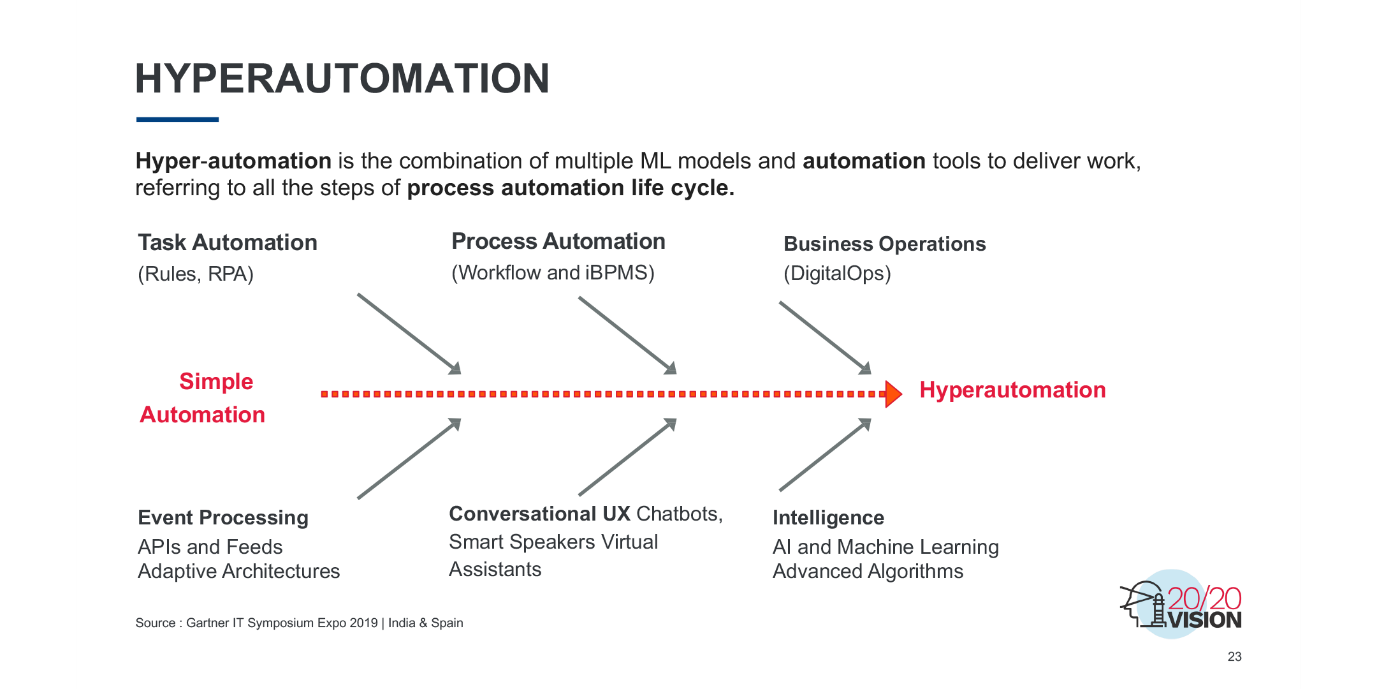
Fig.1. The path to hyperautomation (Printable.com)
Accelerating Complex Work
Hyperautomation provides a high-speed route to engaging everyone in transforming the business, supported by automating more and more complex work that relies on knowledge input from people.
Deploying Digital Workers
Upskilling RPA with intelligence creates an intelligent Digital Workforce that can take on repetitive tasks to augment employee performance. These Digital Workers are the change agents of hyperautomation, able to connect to various business applications, operate with structured and unstructured data, analyze data and make decisions, and discover processes and new automation opportunities.
[Note: Get Machine learning Dissertation writing services]
Hyperautomation in Machine Learning
ML, often used synonymously with AI, is a branch of AI that uses computer algorithms to allow systems to automatically improve over time. Organizations use both supervised and unsupervised algorithms to identify patterns in data. Supervised algorithms create inputs and outputs before making predictions on their own. Unsupervised algorithms observe structured data and develop insights from pattern recognition.
AI and ML are powerful automation tools. Yet implementing them can require a significant investment of resources and careful planning to ensure integration with other technologies and processes. For these reasons, achieving hyperautomation requires the strategic deployment of AI and ML.